

Introduction
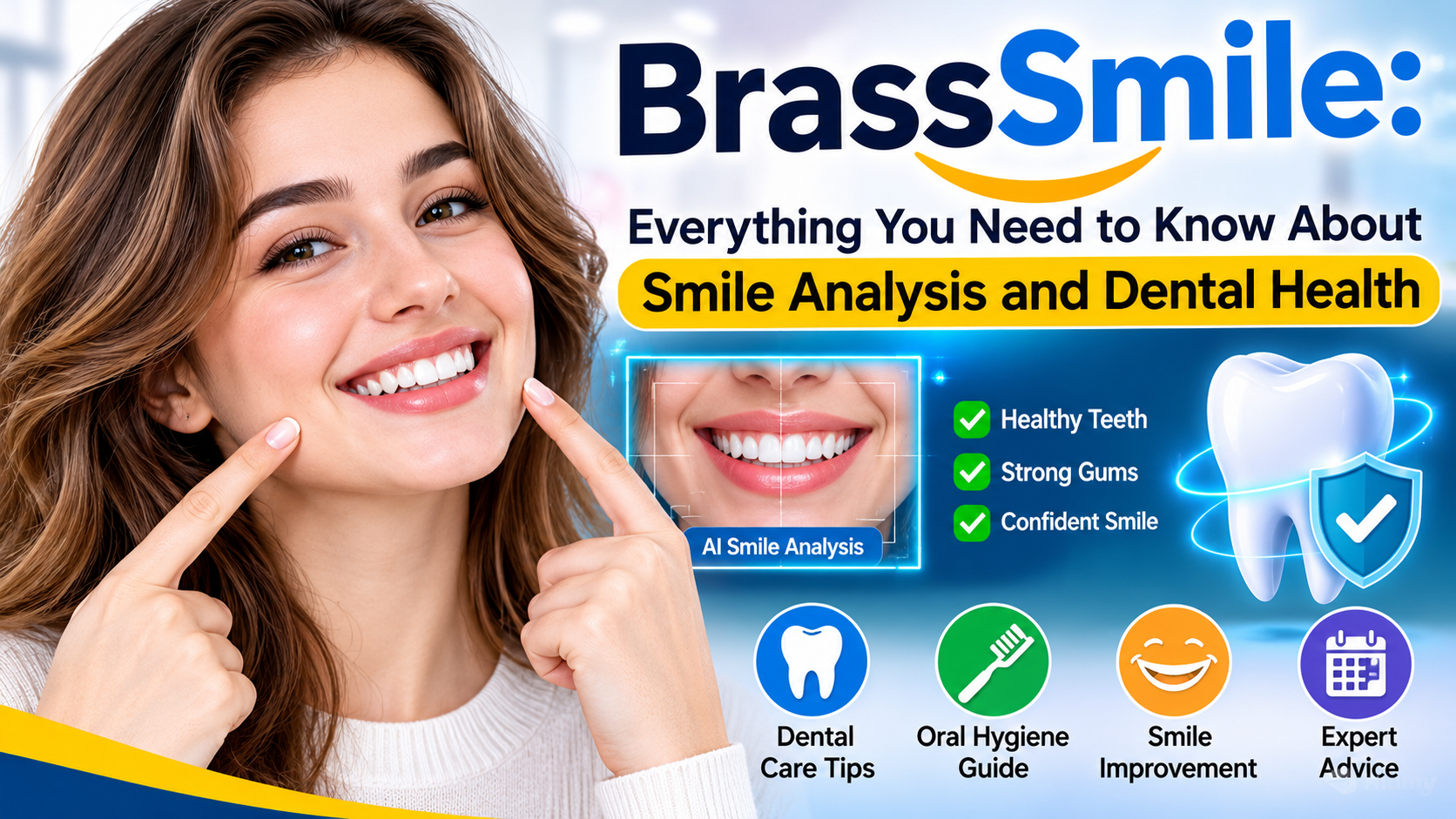
A healthy smile is an important part of personal appearance, confidence, and overall well-being. Modern dental care is no longer limited to treating cavities or fixing damaged teeth. Today, technology and digital tools are helping people understand their smiles, identify possible dental concerns, and explore ways to improve their oral health. BrassSmile is a term associated with smile analysis and dental health discussions, making it an interesting topic for people looking to learn more about modern smile care.
Understanding BrassSmile involves exploring smile analysis, dental appearance, oral hygiene, and the role technology can play in improving dental awareness. Whether someone wants a brighter smile, healthier gums, or better dental habits, learning about these areas can support informed decisions.
What Is BrassSmile?
BrassSmile can be explored as a concept connected with smile analysis, dental care, and understanding the appearance of teeth. It brings attention to how different factors, including tooth alignment, gum health, tooth color, and facial balance, contribute to an attractive and healthy smile.
Smile analysis generally involves examining different characteristics of a person’s smile. Dental professionals may evaluate tooth shape, spacing, symmetry, gum visibility, and how the teeth work together.
It is important to understand that BrassSmile should not automatically be considered a clinically validated dental platform or diagnostic tool. Its specific features and services should be verified through an official source before relying on any claims.
Understanding AI Smile Analysis
Artificial intelligence is becoming increasingly useful in modern dentistry. AI-powered dental applications can analyze photographs, dental images, and other digital information to help identify certain patterns.
AI smile analysis may help users understand several aspects of their smiles, including:
- Tooth Alignment: Identifying visible spacing, crowding, or uneven positioning.
- Smile Symmetry: Examining the balance between the left and right sides of a smile.
- Tooth Appearance: Observing visible discoloration, shape, and other cosmetic characteristics.
- Gum Visibility: Assessing how much gum tissue appears when smiling.
- Facial Balance: Exploring how teeth and lips contribute to the overall appearance of a smile.
However, AI analysis is not a replacement for professional dental examinations. A dentist must evaluate dental conditions before recommending treatment.
Key Factors That Influence Dental Health
Good dental health depends on several factors that work together. Maintaining healthy teeth and gums requires consistent care rather than focusing only on appearance.
1. Tooth Alignment
Properly aligned teeth can make chewing easier and support effective oral hygiene. Crowded or overlapping teeth may create areas that are difficult to clean. Depending on individual needs, dental professionals may recommend orthodontic treatment.
2. Gum Health
Healthy gums provide support for the teeth. Redness, swelling, bleeding, and persistent discomfort can indicate gum problems. Regular brushing, flossing, and professional dental cleanings help maintain gum health.
3. Tooth Color
Tooth color varies naturally from person to person. Food, beverages, tobacco, aging, and certain medications can contribute to discoloration. Professional whitening options may help improve appearance, but treatment should be selected according to dental health and individual needs.
4. Oral Hygiene
Daily oral hygiene is essential for preventing common dental problems. Brushing twice daily with fluoride toothpaste and cleaning between teeth regularly can reduce plaque buildup and support healthier gums.
Benefits of Smile Analysis
Smile analysis can help people understand the different elements that contribute to their dental appearance. When performed appropriately, it may provide useful information for discussing cosmetic and functional dental goals.
Some potential benefits include:
- Better Smile Awareness: Helps people understand visible features of their smiles.
- Treatment Discussions: Provides a starting point for conversations with dental professionals.
- Cosmetic Planning: Helps identify areas someone may want to improve.
- Technology-Based Insights: Digital tools can make certain visual assessments easier to understand.
- Personalized Dental Goals: Encourages people to consider their individual oral health and appearance needs.
The accuracy and usefulness of any analysis depend on the technology, image quality, and professional interpretation involved.
BrassSmile and Modern Dental Technology
Technology continues to change how dental professionals examine and manage oral health. Digital photography, 3D scanning, computer-assisted treatment planning, and AI-supported image analysis are examples of tools used in modern dentistry.
These technologies can help dentists examine dental structures, explain treatment options, and monitor certain changes over time.
For example, digital smile design can help patients visualize possible cosmetic changes before beginning selected procedures. Similarly, digital dental scans can provide detailed information about tooth positions and bite relationships.
Although these developments are valuable, technology should support professional judgment rather than replace it. Patients should always discuss treatment decisions with qualified dental professionals.
Everyday Tips for Maintaining a Healthy Smile
Maintaining a healthy smile does not require complicated routines. Small daily habits can make a meaningful difference in long-term oral health.
Consider following these practical recommendations:
- Brush Twice Daily: Use a soft-bristled toothbrush and fluoride toothpaste.
- Floss Regularly: Clean between your teeth to remove plaque and food particles.
- Drink Enough Water: Water helps maintain moisture in the mouth and supports normal saliva production.
- Limit Sugary Foods: Frequent sugar consumption can increase the risk of tooth decay.
- Visit Your Dentist: Schedule regular dental examinations and professional cleanings.
- Avoid Tobacco: Smoking and other tobacco products can negatively affect teeth and gum health.
- Protect Your Teeth: Use appropriate mouth protection during contact sports.
Consistency is more important than following complicated dental routines.
Common Dental Problems and Their Prevention
Understanding common dental problems can help people recognize when professional care may be necessary.
| Dental Problem | Common Signs | Prevention |
| Tooth Decay | Sensitivity, pain, or visible cavities | Fluoride toothpaste and reduced sugar intake |
| Gum Disease | Bleeding, swelling, or redness | Brushing, flossing, and dental checkups |
| Tooth Discoloration | Yellow or stained teeth | Good oral hygiene and limiting staining foods |
| Bad Breath | Persistent unpleasant breath | Tongue cleaning and proper oral hygiene |
| Tooth Sensitivity | Discomfort with hot or cold foods | Appropriate toothpaste and dental evaluation |
These preventive steps can reduce risks, but existing dental problems may require professional treatment.
Is BrassSmile Useful for Improving Your Smile?
The usefulness of BrassSmile depends on what specific product, service, or resource the name refers to. If it provides educational information or digital smile analysis, it may help users become more aware of dental appearance and oral health.
However, users should check whether the service has transparent information about its features, privacy practices, professional involvement, and limitations.
Before using any online dental analysis tool, consider these questions:
- Does it explain how its analysis works?
- Does it protect uploaded photographs and personal information?
- Does it clearly describe the limitations of its results?
- Does it encourage professional dental consultation?
- Are its claims supported by reliable evidence?
Being careful about these details can help users make better decisions.
Conclusion
BrassSmile is an interesting topic when exploring smile analysis, dental appearance, and modern oral healthcare. From understanding tooth alignment and gum health to learning about AI-supported dental technology, smile analysis can encourage greater awareness of personal dental needs.
However, a beautiful smile begins with healthy teeth and gums. Daily brushing, flossing, balanced eating habits, and regular dental visits remain essential. Digital tools may provide additional insights, but they should never replace professional dental advice.
By combining responsible technology use with consistent oral hygiene, individuals can take practical steps toward maintaining a healthier and more confident smile.
